
Home security has evolved rapidly in recent years. Traditional metal keys and standard deadbolts are being replaced with smart locks, keyless entry systems, and connected home security devices. Homeowners now have more control over who can access their home and when, all from a smartphone. While these modern systems offer impressive convenience, they also introduce new risks and considerations that every homeowner should understand before upgrading.
If you are considering smart locks or keyless entry for your home, this guide explains the benefits, the drawbacks, and the most important things you should know before making a decision.
What Are Smart Locks and Keyless Entry Systems
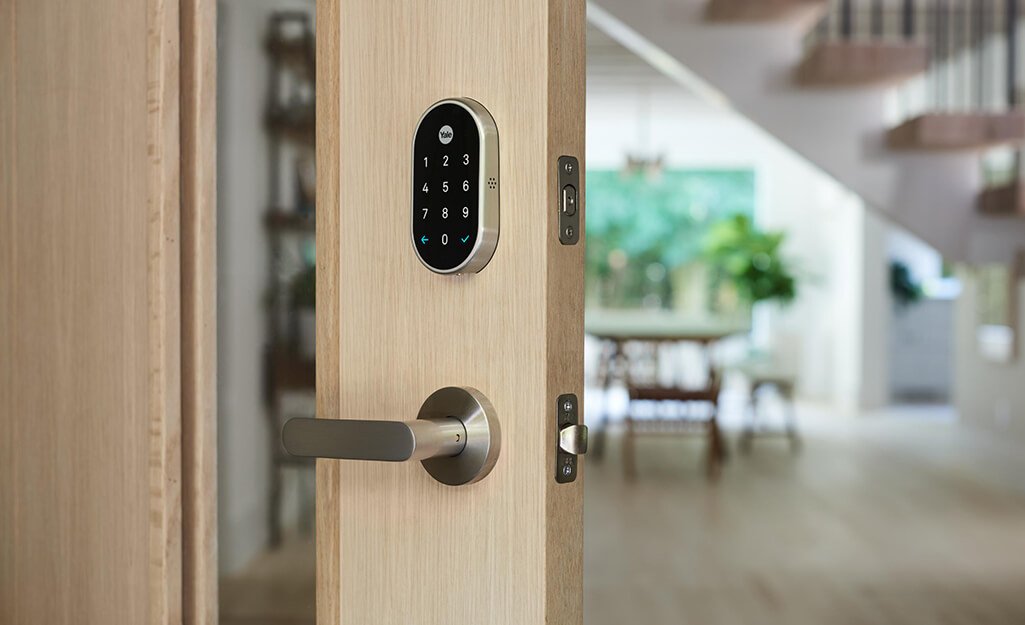
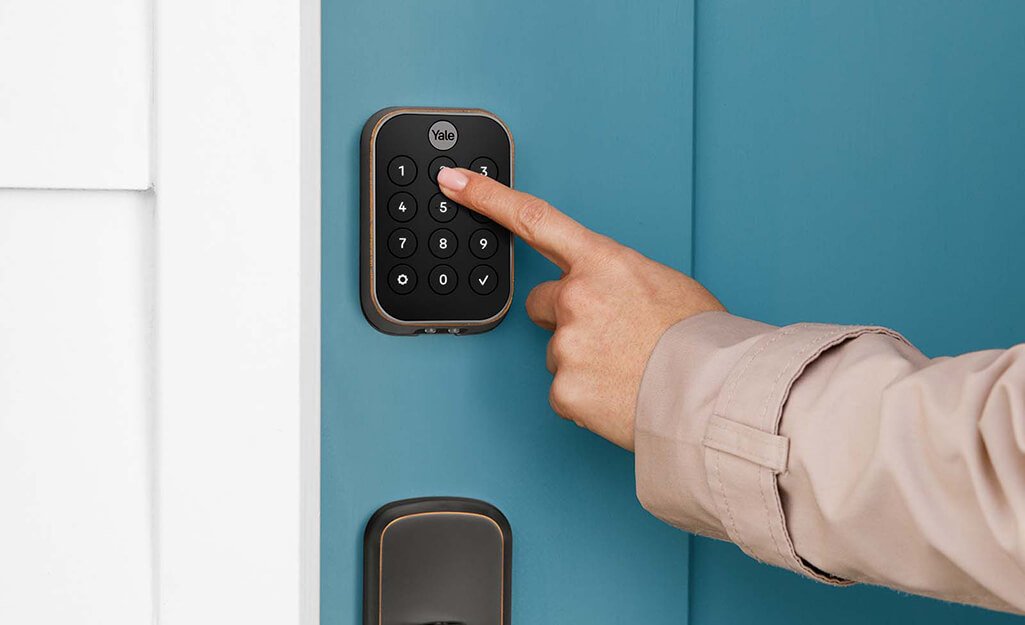
Smart locks are electronic door locks that can be controlled without a traditional key. Instead of inserting a metal key, you may unlock your door using a keypad, fingerprint scanner, smartphone app, key fob, or voice assistant. Keyless entry systems work in a similar way, allowing doors to be unlocked through codes, wireless signals, or biometric data.
Many smart locks connect to your home Wi-Fi or Bluetooth. This connection allows you to lock and unlock doors remotely, monitor who enters your home, and receive alerts when the door is used. Some systems also integrate with full home security systems and video doorbells.
How Smart Locks Work
Smart locks use encrypted digital communication to receive commands from authorized devices. When you enter a code, scan your fingerprint, or use your smartphone, the lock verifies your identity and releases the locking mechanism. Many systems store access logs, showing exactly when the door was locked or unlocked and by whom.
Most smart locks run on battery power and require periodic battery replacement or recharging. Backup methods such as physical keys or emergency power ports are typically included so you are not locked out if the battery dies.
Pros of Smart Locks and Keyless Entry Systems
The biggest advantage of smart locks is convenience. You no longer need to carry physical keys or worry about getting locked out because you forgot them. You can unlock your door remotely for guests, family members, or service providers, even when you are not home.
Security control is another major benefit. Smart locks allow you to create unique access codes for different people and set time limits for when those codes work. This is especially useful for cleaning services, dog walkers, or short-term rental guests.
Another advantage is real-time monitoring. Many systems send instant alerts when someone unlocks or locks your door. This gives homeowners peace of mind and visibility into home activity.
Smart locks can also improve property value. Modern buyers often view smart home features as upgrades, and keyless entry can make a home more attractive in competitive housing markets.
Cons of Smart Locks and Keyless Entry Systems
Despite their advantages, smart locks are not perfect. One of the biggest concerns is reliance on technology. Because these locks depend on batteries and wireless communication, technical failures can occur. A dead battery, software glitch, or Wi-Fi outage can temporarily prevent access or reduce functionality.
Cybersecurity is another concern. Any device connected to the internet carries some level of hacking risk. While reputable smart lock brands use encryption and strong security protocols, no system is completely immune to threats if not properly configured or maintained.
Installation can be more complex and expensive than traditional locks. Smart locks typically cost more upfront and may require professional installation to function correctly. Improper installation can weaken overall door security.
Another drawback is compatibility. Not all doors or existing lock hardware work seamlessly with smart locks. Older doors may require modifications, and some locks may not integrate well with certain smart home platforms.
Are Smart Locks Safe
Smart locks are generally safe when installed and used correctly. Many models include advanced encryption, tamper alerts, and auto-locking features. However, safety depends heavily on user habits.
Using strong passwords, enabling two-factor authentication, and keeping your smart lock software updated are essential steps to maintain security. Poor digital hygiene can make a smart lock more vulnerable than a traditional lock.
Physical security still matters as well. A smart lock installed on a weak door or frame does not improve protection. High-quality doors, reinforced frames, and good installation are still necessary for strong overall home security.
Keyless Entry vs Traditional Locks
Traditional locks offer simplicity and reliability. They do not rely on batteries, internet connections, or software updates. Many homeowners appreciate the straightforward nature of a physical key and a mechanical lock.
Keyless entry systems offer more advanced control and monitoring. They allow remote access management, temporary codes, and usage tracking. For busy households or rental properties, this added flexibility can be extremely valuable.
The choice often comes down to lifestyle, comfort with technology, and security priorities. Some homeowners choose hybrid setups that combine traditional deadbolts with smart lock features.
Lorem ipsum dolor sit amet, consectetur adipiscing elit. Ut elit tellus, luctus nec ullamcorper mattis, pulvinar dapibus leo.
